Discover Tulsa-smart pest control calibrated to our region's climate patterns. We provide integrated pest management assessments, structural vulnerability analysis, and calibrated non-repellent treatments for common household pests. We utilize degree-day data, targeted exclusion, strategic trap placement, and lockable bait stations - meeting all safety requirements. Quick assistance, digital updates, and straightforward rates maintain openness. Expect documented findings, treatment windows, and service assurance tied to established thresholds. Continue for effective strategies, seasonal schedules, and documented success.
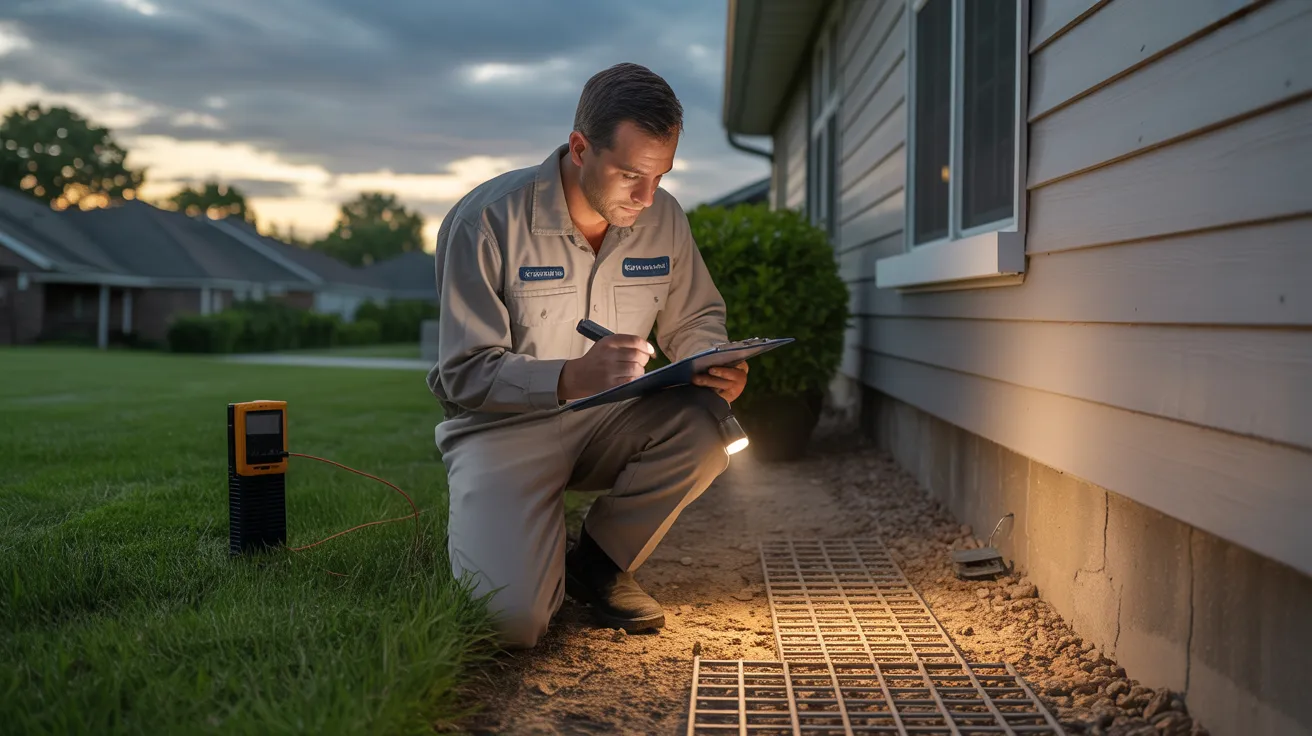
Main Insights
- Neighborhood-focused eco-conscious pest solutions tailored to Tulsa's humid summers, cold snaps and neighborhood-specific pest pressures.
- Seasonally coordinated prevention services targeting various pests such as termites, ants, mosquitoes, cockroaches, spiders, and winter rodents, based on climate information and degree-day calculations.
- Integrated pest management is our primary focus, featuring thorough monitoring, exclusion methods, and strategic trapping, implementing lowest-risk treatments following rigorous safety guidelines for pets and children.
- Same-day service and inspections, including text message arrival notifications, straightforward fee structure according to property dimensions and infestation levels, along with thorough service reports and quality assurance warranties.
- Comprehensive evaluations, targeted treatments, and online reports containing pictures, application information, safety protocols, and monitoring data.
Local Expertise: Essential for Tulsa's Pest Management
Due to Tulsa's climate variations ranging from summer humidity to winter chills, pest populations shift quickly, and you want technicians who understand these patterns. You benefit from specialists who analyze neighborhood insect activity at the block level, link activity with degree-day data, and adapt protocols as conditions shift. Local expertise provides precise monitoring intervals, targeted exclusion, and compliant product selection meeting Oklahoma regulations. Teams trained in climate adaptation assess moisture gradients, inspect entry points after thermal expansion-contraction cycles, and coordinate treatments to disrupt breeding windows. They record findings, assess thresholds, and deploy least-risk controls first. You get faster diagnostics, fewer callbacks, and quantifiable outcomes because technicians evaluate your site's microclimate to historical baselines, refine tactics by season, and validate efficacy through follow-up metrics and thorough client-ready reports.
Frequent Pest Problems in Tulsa Properties
In Tulsa, you encounter unique seasonal pest challenges, with warm, humid months bringing increased activity from ants, mosquitoes, and ticks and rodents looking for indoor spaces during colder months. Make sure to observe typical pest-prone areas like food prep zones, HVAC chases, dumpsters, and loading areas, where cockroaches, flies, and stored-product pests thrive. With this knowledge of pest behavior, you can effectively plan inspection routes, implement exclusion methods, and apply targeted treatments.
Seasonal Pest Pressures
In Tulsa's climate, distinct waves of pest activity typically align with shifts in temperature and moisture. These patterns show a clear relationship between climate cycles and pest migration. As soil warms in spring, termites become more active and ants begin exploring. Early summer temperatures boost mosquito breeding in stagnant water and force spiders to seek shelter indoors. By midsummer, humid conditions indoor support German cockroach populations while wasps establish colonies in building voids.
As fall weather sets in, pests begin moving inside, exploiting utility penetrations and compromised threshold gaps. Seasonal pests like brown marmorated stink bugs and cluster flies enter wall voids during weather changes. Winter warm spells trigger intermittent ant and cockroach activity in conditioned environments. Risk reduction is possible by addressing openings, managing water sources, more info cutting back plants, and planning pest assessments based on seasonal patterns.
Where Urban Pests Gather
In Tulsa's urban landscape, pest activity typically concentrates in predictable areas where food, water, and shelter converge. Infestations increase around dumpsters, drain systems, and utility passages that create ideal conditions. Cockroaches frequently inhabit drainage systems and wall cavities near food service areas. Ant colonies establish paths from street-level nests into structural openings and expansion joints. Norway rats navigate loading bays, train tracks, and sewer access points, while roof rats infiltrate upper levels through power lines. Spiders and silverfish thrive in moist underground areas and mechanical spaces.
You can reduce incidence by blocking 1/4-inch gaps, adding door sweeps, and screening vents. Configure irrigation to prevent pooling. Store trash in lidded containers not adjacent to walls. Keep up drain cleanliness. Cut back vegetation away from structures. Schedule perimeter inspection and strategic baiting.
Important Warning Signs to Watch For
Treat abnormal droppings as indicators of ongoing pest activity, tracking physical characteristics and placement to pinpoint the pest type. Be sure to document recurring scratching noises in building cavities and airways, particularly at night, to distinguish between rodents and insects. Respond quickly by recording observations and arranging a pest control assessment to avoid property damage and health risks.
Unusual Droppings Observed
Spotting unfamiliar droppings in your house is a warning sign - the type, size, and location of feces can help identify the pest and associated risks. Look closely at consistency and shape: bat guano appears crumbly with a shine with insect parts, commonly gathering beneath attic beams; bird pellets appear dry and oval, typically including bone or feather fragments near ledges or vents. Rat and mouse droppings look like rice; new droppings look moist and black, typically arranged near baseboards and pantry areas. Cockroach waste looks like black pepper or coffee remnants, clustered in cabinet joints and appliance gaps. Notice wetness, smear patterns, and odors - strong ammonia scents signal current infestations. Don't clean unfamiliar droppings without dampening; use protective gloves, mist with sanitizer, package securely, and take photos for documentation. Then quickly book a professional Tulsa evaluation.
Constant Scratching Disturbances
Often, subtle scratching and movement inside walls, ceiling spaces, or floor cavities suggests active pests establishing pathways and dwelling spaces. You may be hearing various pests like rodents or insects mapping pathways to food and harborage. Note timing: nighttime activity typically indicates rodents, while sounds during daylight hours usually suggest squirrels. Track locations: attic vibrations, soffits, and baseboards often concentrate sound, identifying where pests enter and nest.
Distinguish distinct sound patterns. Fast, light tapping usually means roaches; while heavier, sporadic gnawing points to rodents. When activity intensifies after dark, you've identified active feeding patterns. Avoid breaking through walls without evaluation; this could scatter pests or spread dangerous contaminants. Instead, track times, places, and frequency of activity. Block exterior entry points, set up protected monitoring stations, and eliminate food sources. Then arrange a professional assessment to implement specific barrier solutions, thorough sanitization, and regular observation.
Environmental Safety Standards and Sustainable Treatments
Why select pest control that protects both your home and Tulsa's environment? You achieve specific results without collateral damage. We utilize integrated pest management, prioritizing assessment, exclusion, and mechanical controls before chemical treatments. When necessary, you authorize lowest-risk actives, adjusted to label rates and exposure limits. You can opt for organic alternatives meeting OMRI or FIFRA 25(b) exemptions to decrease residues and non-target impacts.
We engineer specialized zones to safeguard pollinators, ponds, and beneficial arthropods. We implement controlled application methods, precise targeted treatments, and HEPA containment during cleanouts. Our team maintains protective gear, safety protocols, and governmental guidelines, with child, pet, and asthma-safe protocols. Following application, we confirm effectiveness and suggest habitat restoration: sealing entry points, repairing moisture issues, managing landscape, and controlling debris to ensure continued effectiveness.
Immediate Assistance and Transparent Pricing
When pest problems become severe, immediate action is available-our service network ensures immediate site evaluations and targeted treatments across Tulsa. Feel free to book urgent assistance through our website or by calling, and we'll dispatch a licensed technician based on location, critical nature, and access requirements. Service windows are verified through SMS with GPS tracking to ensure prompt service.
You’ll know the pricing in advance. We offer fixed rate service plans aligned to the dimensions of the building, the level of pest infestation, along with the treatment requirements. Fuel costs are not added, no weekend premiums, with no concealed costs—complete price clarity before service begins. If the situation alters on location, we issue a written revision for your approval before proceeding. Post-service, you will receive a detailed digital report which summarizes materials applied, areas treated, along with your warranty details for same day follow-up if needed.
Trusted Pest and Rodent Control
Eliminate infestations at the source with focused programs tailored to Tulsa’s environment and building types. You’ll get specific protocols that comply with label directions and Oklahoma regulations. For termites, technicians install in-ground bait stations, observe consumption, and administer exterior barrier treatments to catch foragers. For ants, we identify the nesting species, employ non-repellent transfer actives, and close entry points to hinder re-intrusion. For spiders, we minimize harborage, manage eaves, soffits, and wall voids, and place exclusion mesh at utility penetrations. For rodents, we implement snap-trap grids, lockable exterior bait stations, and structural exclusion with chew-resistant materials.
We thoroughly record factors that promote pests, calibrate application rates depending on substrate and temperature, and verify results with follow-up inspections. You receive detailed service records, access to product SDS, and regulatory-aligned, measurable outcomes.
Year-Round Protection Through Preventive Maintenance Plans
Scheduled preventive upkeep maintains Tulsa properties prepared for pest challenges and compliance needs. You sign up for a structured plan that synchronizes service intervals with seasonal pest behavior and weather trends. Our specialists conduct seasonal inspections, track pest activity, and modify perimeter protection, entry points, and bait placement to ensure pest-free environments.
Plans detail treatment schedules, authorized materials, and reporting standards. You receive digital reports documenting observations, treatments performed, and compliance details suitable for audits and property records. Warranty coverage links to plan compliance, providing complementary services if situations fulfill established requirements. Additionally, you receive advance threat evaluation for contributing factors-dampness, entry routes, shelter areas-and sequential improvement measures. The outcome provides reliable pest control, decreased crisis events, and minimized pest control expenses across all seasons.
What Happens During Your Service Appointment
Prior to the technician showing up, you’ll get a scheduled time window and setup instructions (e.g., ensure unobstructed access to attic spaces, crawl spaces, service rooms, and the exterior perimeter). You’ll receive an estimated arrival notification. When the pro comes, ask for technician ID verification and match it to your work order. The expert will assess your concerns, check both inside and outside areas, note conducive conditions, and identify target pests.
You'll then receive a comprehensive breakdown explaining the approach, materials, treatment locations, and safety timeframes. The technician will explain access point protection, bait station setup, and monitoring system placement. You'll hear about safe access timing, family safety guidelines, and warranty terms.
Following the service, we will ensure comprehensive cleanup: removal of any granules, all stations cleaned and secured, all labels removed, and protective equipment contained. We'll send you complete service records, with detailed findings, photographic evidence, and follow-up instructions.
Choosing the Right Tulsa Partner for Enduring Peace of Mind
Although numerous companies look alike at first glance, you need to examine Tulsa services based on their credentials, operational approach, and responsibility. Verify Oklahoma pesticide applicator licenses and insurance documentation. Ask for a written outline detailing inspection methods, pest targets, product selection, application guidelines, and waiting periods. Assess integrated pest management competency: observation standards, barrier methods, environmental controls, and focused applications.
Verify measurable service metrics: response intervals, escalation paths, and documentation criteria. Request digital service documentation with photos, safety data sheets, and location maps. Compare warranty options in writing-coverage duration, remediation triggers, and limitations. Assess quality maintenance: personnel development cadence, background checks, and QA assessments. Verify references, digital records, and community engagement that reflect regional stewardship. Establish straightforward rates, defined termination terms, and data security protocols. Select the provider that proves results, not promises.
Questions & Answers
Are Unmarked, Discreet Service Vehicles Available for Privacy-Conscious Clients?
Yes, we accommodate confidential service. We deploy discrete transport, comprising unmarked vans, timed to minimize visibility. You select entry locations, contact procedures, and verification procedures. Our technicians use unbranded uniforms, carry unmarked tools, and minimize operational noise. We remove external identifiers on billing and scheduling when needed. Navigation omits home addresses. You get advance confirmation and password verification for identification. Each step meet industry regulations.
Can Technicians Service Multi-Unit Properties Without Disrupting Tenants?
Yes. Multi-unit property servicing can be done without tenant disturbance. We utilize Tenant coordination, Quiet scheduling, and floor-by-floor routing to minimize noise and interference. Our specialists employ tenant-friendly products, advanced filtration systems, and appropriate safety equipment. We provide advance management alerts, display required notices, and adhere to scheduled access times. Access is documented through secure key tracking. We contain treatments to target zones, protect egress paths, and document findings digitally for rapid, non-intrusive follow-up.
Are Pet-Safe Options Available for Exotic Animals Like Birds or Reptiles?
We provide animal-friendly alternatives for exotic animals. We implement gentle and effective strategies: we use bird-safe insecticides and install reptile-safe control measures to safeguard delicate animals. We meticulously examine treatment options for volatile organic compounds, solvents, and pyrethroid levels, while prioritizing exclusion methods and cleanliness. Our team will map out habitat areas, mark air vents, and schedule treatments separate from feeding periods. You'll receive comprehensive SDS documentation, defined buffer zones, and thorough post-treatment ventilation instructions to guarantee safety standards.
Are written guarantees available for real estate transactions or rentals?
Yes. We offer documented assurances tailored for real estate deals and lease arrangements. We specify service parameters, treatment results, and time frames, matching closing inspections and escrow coordination requirements. Guarantees specify reservice terms, coverage periods, property condition prerequisites and exclusions (including pest problems caused by tenants). We'll provide signed, dated assurances meeting the needs of lender, title, and property management files. Upon request, we furnish property-specific supplements, before and after treatment documentation and compliance affidavits to fulfill your closing requirements.
Can You Integrate With Smart-Home Devices for Monitoring and Alerts?
Absolutely. Smart-home device integration is available for monitoring and alerting. We support smart sensors (Z-Wave, Zigbee, Wi‑Fi) and tie them into your hub for event-driven triggers. You'll configure thresholds, zones, and schedules, then receive remote alerts via app, SMS, or email. Our system features encrypted data transmission, role-based access controls, and detailed audit logs. Our API supports webhook callbacks and MQTT. Set up automated scenes, implement geofenced rules, and generate telemetry reports for compliance.
Final Thoughts
By coincidence, you're viewing this page right when Tulsa's peak pest season intensifies. You've seen the signs, weighed eco-safe options, and confirmed day-of scheduling and clear cost structure. Now, opt for a licensed local provider with proven termite, ant, spider, and rodent methods, plus proactive treatments to lock in year-round protection. During service, count on thorough assessment, precise applications, documented findings, and adherence to safety protocols. Make your move-coordinate experience, timing, and preparation-to secure your property and restore lasting protection.